
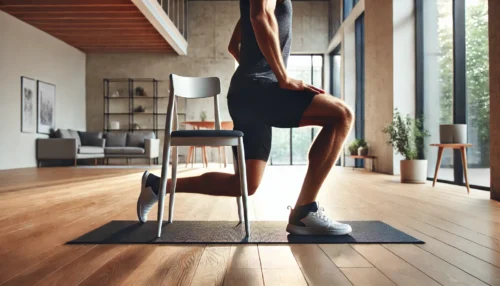
When Strength Didn’t Look Like I Expected
I used to think strength meant lifting heavy things.
Gym memberships, weight machines, protein shakes, reps until failure—that’s what I saw as strength. And for a while, it worked. I could press and pull and squat more than I ever had. But strangely, I also felt… disconnected.
Despite looking strong, I was often tight, stiff, and tired. There was a constant ache in my back. Pain crept into my wrists after basic movements. My posture, once upright, was now collapsing under invisible weight. Yes, I had muscle—but I didn’t feel supported.
One day, I joined a yoga class to “stretch out.” I figured it would be slow, boring, a rest day.
I was wrong.
Five minutes in, my thighs were shaking. Ten minutes in, my core was on fire. I was sweating. I was struggling. And I was waking up to an entirely different kind of strength.
Strength that comes from control, breath, stillness, and awareness.
This article is for anyone who wants to build a body that’s not just strong—but balanced, integrated, and alive.
1. Redefining Strength: The Yoga Way
In yoga, strength isn’t about brute force. It’s about how well your muscles work together to support your body through movement and stillness.
This kind of strength is:
- Functional – It helps with everyday tasks like lifting, standing, and walking.
- Balanced – It prevents overuse and injury by developing opposing muscle groups equally.
- Enduring – Instead of short bursts of power, it builds control and stamina over time.
- Mindful – You’re aware of alignment, breath, and effort, which increases safety and effectiveness.
Unlike traditional strength training, yoga integrates mobility, stability, and breath into every movement. You don’t just work your muscles—you learn how to use them with purpose.
2. Why Yoga Is an Effective Strength-Building Practice
Although yoga may appear gentle from the outside, many poses require you to engage and hold muscles without external weight. You support your own body through dynamic transitions and isometric holds. That builds real strength—especially in areas often neglected.
Yoga strengthens:
- Core muscles, including deep stabilizers
- Upper body, including shoulders, arms, and chest
- Lower body, including glutes, thighs, and calves
- Postural muscles, which keep the spine upright
Additionally, yoga develops mental strength: the ability to stay present, breathe through discomfort, and trust your body.
It also helps prevent injuries common in other training methods, thanks to its focus on balance, control, and alignment.
3. Can You Build Muscle With Yoga Alone?
The short answer is: yes, to a degree.
Yoga can build lean muscle mass, especially for beginners or those returning to movement after time away. It’s particularly effective at developing stabilizing and endurance muscles—the kind that support joints and allow for smooth, coordinated movement.
That said, yoga may not replace heavy weight training for those seeking maximum hypertrophy (muscle size). However, it’s a powerful tool for:
- Building a strong foundation
- Supporting other strength-based workouts
- Preventing plateaus and injuries
- Creating a balanced, functional physique
Many athletes, dancers, and martial artists rely on yoga as part of their cross-training—because strength is more than just size.
4. Best Yoga Poses for Strength
Here are key yoga poses that develop strength across different areas of the body. Hold each one for 30 seconds to 1 minute and repeat as needed.
a) Plank Pose (Phalakasana)
- Full-body engagement
- Builds arm, shoulder, core, and leg strength
- Teaches alignment and body awareness
b) Chaturanga Dandasana (Low Plank)
- Intense triceps and shoulder activation
- Requires control and core stability
- Great prep for arm balances
c) Warrior II (Virabhadrasana II)
- Strengthens thighs, hips, and glutes
- Builds endurance and focus
- Opens the chest and shoulders
d) Chair Pose (Utkatasana)
- Targets quads, hamstrings, glutes, and core
- Also challenges balance and stamina
e) Boat Pose (Navasana)
- Core-dominant pose
- Improves abdominal strength and hip flexor control
f) Locust Pose (Salabhasana)
- Strengthens the back body (posterior chain)
- Counteracts forward-slumping posture
- Helps prevent lower back pain
g) Side Plank (Vasisthasana)
- Engages obliques, arms, and stabilizers
- Builds shoulder integrity and core strength
h) Crow Pose (Bakasana)
- Arm balance that demands full-body coordination
- Develops wrist, shoulder, and core strength
These poses are effective not just because of the muscles they target—but because they require mindful activation, which creates smarter strength.
5. Breathing and Strength: A Secret Weapon
In yoga, breath isn’t an afterthought—it’s a tool for strength. Conscious breathing helps you:
- Stabilize the core
- Reduce unnecessary tension
- Maintain focus under challenge
- Recover between poses
For strength poses, try Ujjayi breath: a soft, oceanic breath that’s both energizing and grounding. It helps you stay steady in intensity without burning out.
6. How to Structure a Strength-Focused Yoga Practice
A well-rounded strength-building session includes warm-up, active poses, and cool-down. Here’s a sample routine:
a) Warm-up (5 minutes)
- Cat-Cow
- Downward Dog
- Gentle lunges
b) Strength Sequence (15–20 minutes)
- Plank → Chaturanga
- Warrior II → Side Angle → Reverse Warrior
- Chair Pose holds
- Boat Pose + variations
- Crow practice (optional)
c) Cool-down (5–10 minutes)
- Forward Fold
- Supine Twist
- Savasana
You can repeat this type of flow 3–4 times per week, or sprinkle strength-focused poses into your regular vinyasa practice.
7. Tips for Progress and Injury Prevention
Strength in yoga grows over time—but only if practiced with intention and safety. Here’s how to get the most out of your sessions:
- Engage muscles mindfully—don’t just “sink” into a pose.
- Use props when needed for support and alignment.
- Modify poses rather than pushing through pain.
- Take rest days so your muscles can rebuild.
- Track your progress with journaling or simple video check-ins.
And most importantly: respect your body’s timeline. Yoga strength is built on consistency, not intensity.
8. What Results Can You Expect?
With regular practice, you’ll start noticing subtle but powerful changes:
Week 1–2:
- Improved posture
- Slight muscle activation and soreness
- Better coordination
Month 1:
- Noticeable strength in core and legs
- Increased stamina and control in poses
Month 2–3:
- Ability to hold poses longer
- Mastery of transitions
- Confidence in body awareness and balance
Unlike quick fitness fads, yoga strength builds deep and lasting resilience.
How Yoga Made Me Strong in a Way the Gym Never Could
I remember the first time I tried holding Plank Pose for a full minute.
Coming from years of weight training, I assumed it would be easy. I’d deadlifted heavy, benched big numbers, crushed HIIT circuits. But within 30 seconds, my arms trembled. My breath turned shallow. My mind started yelling: “This is nothing—why does it hurt so much?”
That moment humbled me.
What I realized later was this: in the gym, I often used momentum, breath-holding, even poor form to get through reps. In yoga, there was nowhere to hide. Every shake, every adjustment, every breath was part of the experience. I had to meet myself exactly where I was—and that required a kind of strength I had never trained before.
Over the weeks, I noticed changes. I stood taller. My core was engaged throughout the day. My wrists, once sore from push-ups, grew resilient. But more than anything, I felt powerful in stillness. I could hold poses—not just physically, but with presence, with integrity, with awareness.
Yoga didn’t just change how I moved. It changed how I carried myself in the world.
Final Thoughts
Strength isn’t just about what you can lift—it’s about how you move, how you breathe, and how you show up in your body.
Yoga teaches strength not through force, but through attention. It trains your body to hold itself, your breath to support you, and your mind to stay steady in discomfort. Over time, that creates not just a stronger body, but a stronger version of you—inside and out.
So the next time you want to feel powerful, don’t reach for weights. Roll out your mat, take a deep breath, and rise into your own strength.